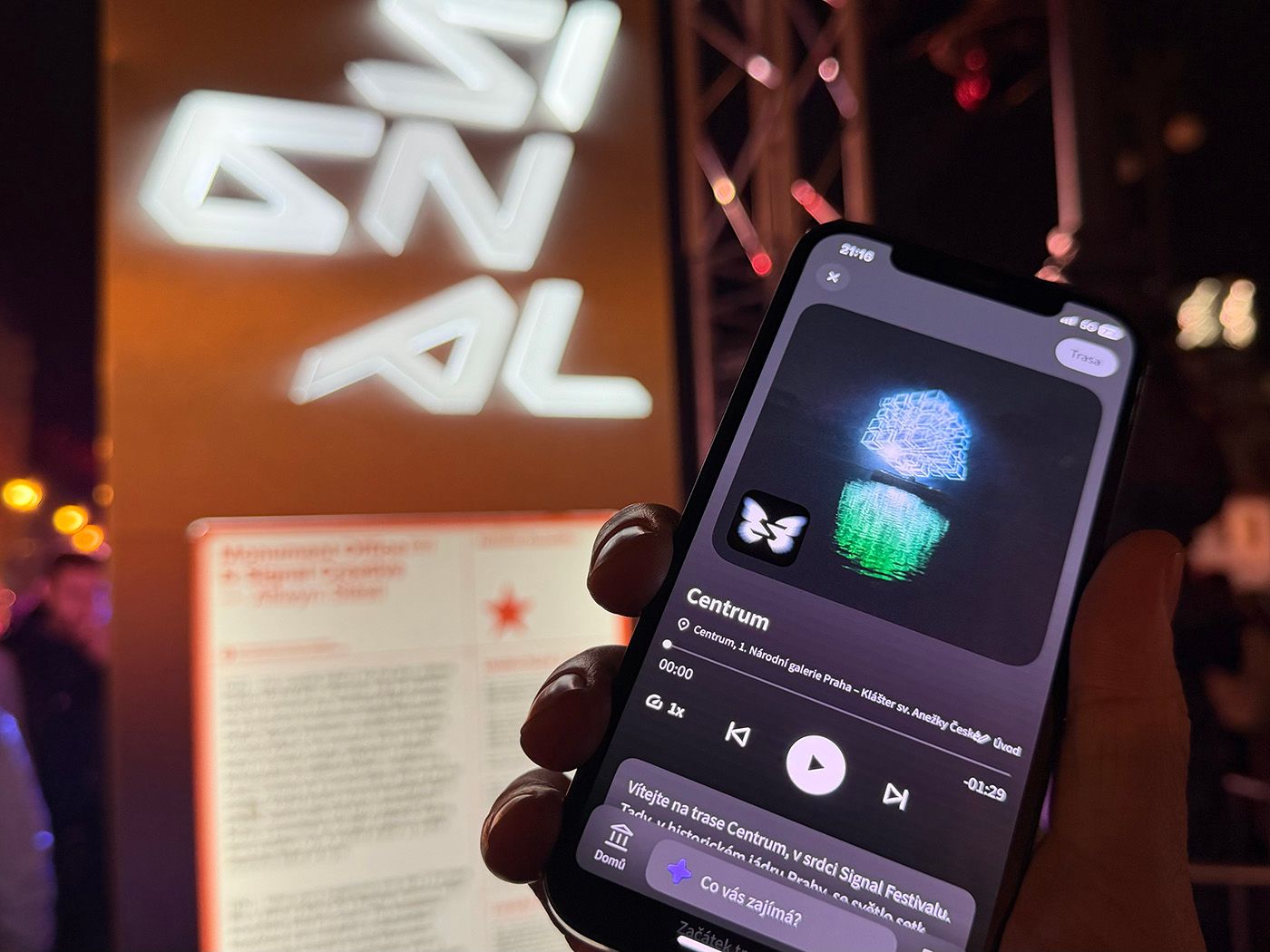
A mobile guide for Signal Festival
Signal Festival is one of the most prominent showcases of digital art in Central Europe. Over thirteen years, it has grown from a local event into an established international platform that produces and presents work by renowned artists from the Czech Republic and abroad. The organisers have a long track record of reaching a wide audience — both through striking installations in public space and through a varied accompanying programme.
This year, the festival's accompanying activities also include, for the first time, the Cabinet of Wonders digital guide, which takes visitors along the two main festival routes in the city's historic centre and in Prague's Vinohrady. The organisers hope the guide will make the visitor experience smoother, help people navigate the programme more easily, and deliver supporting information about the installations more effectively.
We wrote the texts 'for the ears', so they're short tracks of one to two minutes.
Each year, tens of thousands of people visit the festival in just four days, making it one of the most popular art showcases in the Czech Republic. That's why the organisers and the Cabinet of Wonders team put careful effort into the texts, aiming for narration that's as accessible as possible. "We wrote the texts 'for the ears', so they're short tracks of one to two minutes, addressed directly to the audience in the city," explains Vítek Čapek from the Signal Festival team. "The most important information about the work comes right at the start of the track, followed by broader context — and, in some cases, an additional recording with more about the artist and their work. We separated navigation from interpretation, avoided specialist jargon, and tested everything in the real-world hubbub." This careful preparation is audible from the first listen: despite the tight running time, the curators manage at every stop to convey the significance of each location and installation, introduce the artist, and sketch the context in which the work was made.
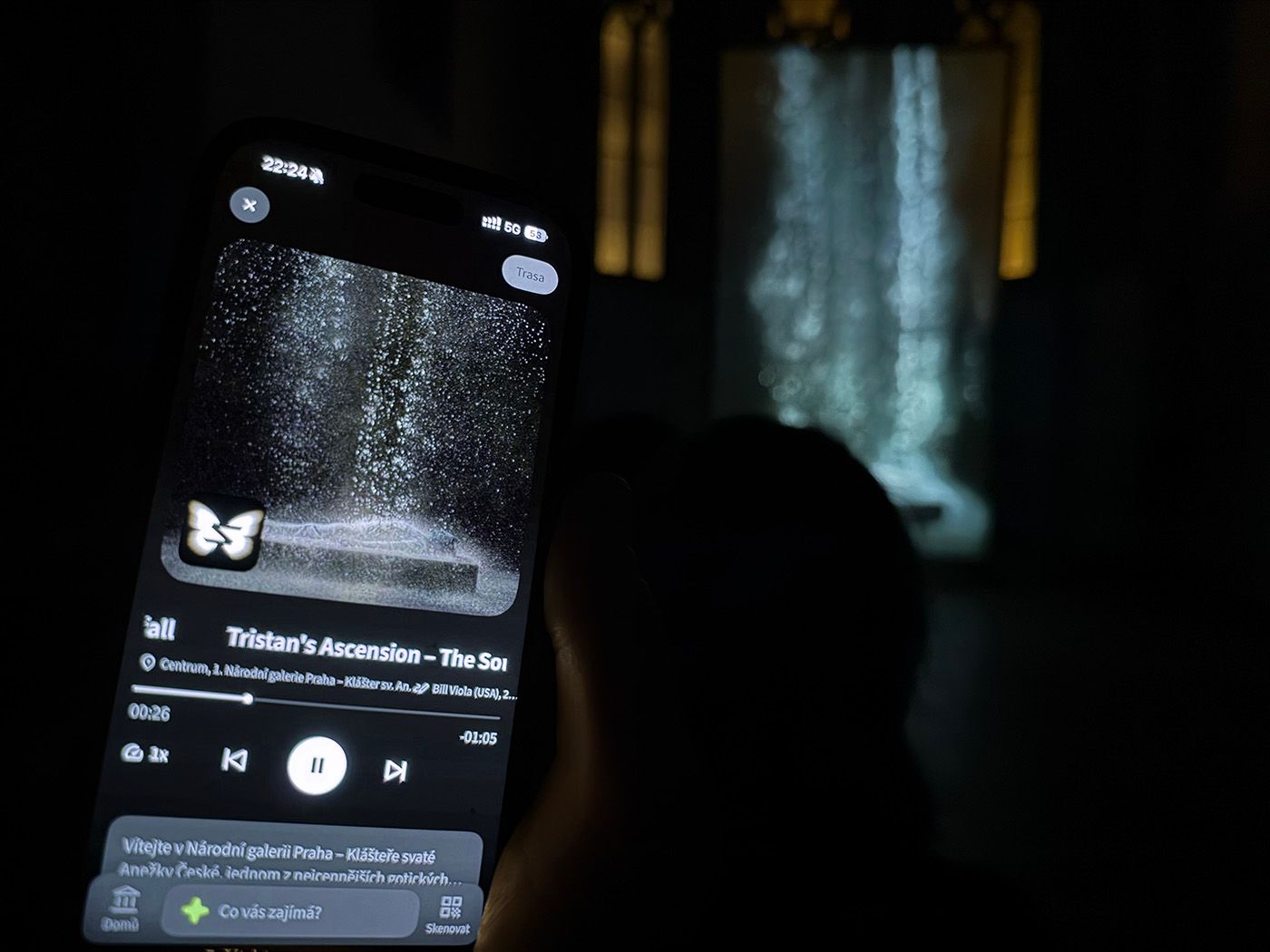
A digital brochure for Signal Space
Cabinet of Wonders has also teamed up with a new project from the Signal platform — the Signal Space gallery, set in the former Old Town Market Hall in the historic centre of Prague. Signal Space is the first exhibition space in the Czech Republic dedicated exclusively to digital art; as the name suggests, the idea was to extend the festival format into a permanent venue. "Like the festival, the gallery aims to be a bridge between the world of contemporary art and audiences who wouldn't normally visit art galleries," says gallery curator Mario Kunovský about the programme. "At the same time, we present works with genuine meaning and value — we don't want to be just another entertainment attraction in the middle of Prague." As part of that programme, Signal Space also supports local multimedia artists with a dedicated space called CzechBox.
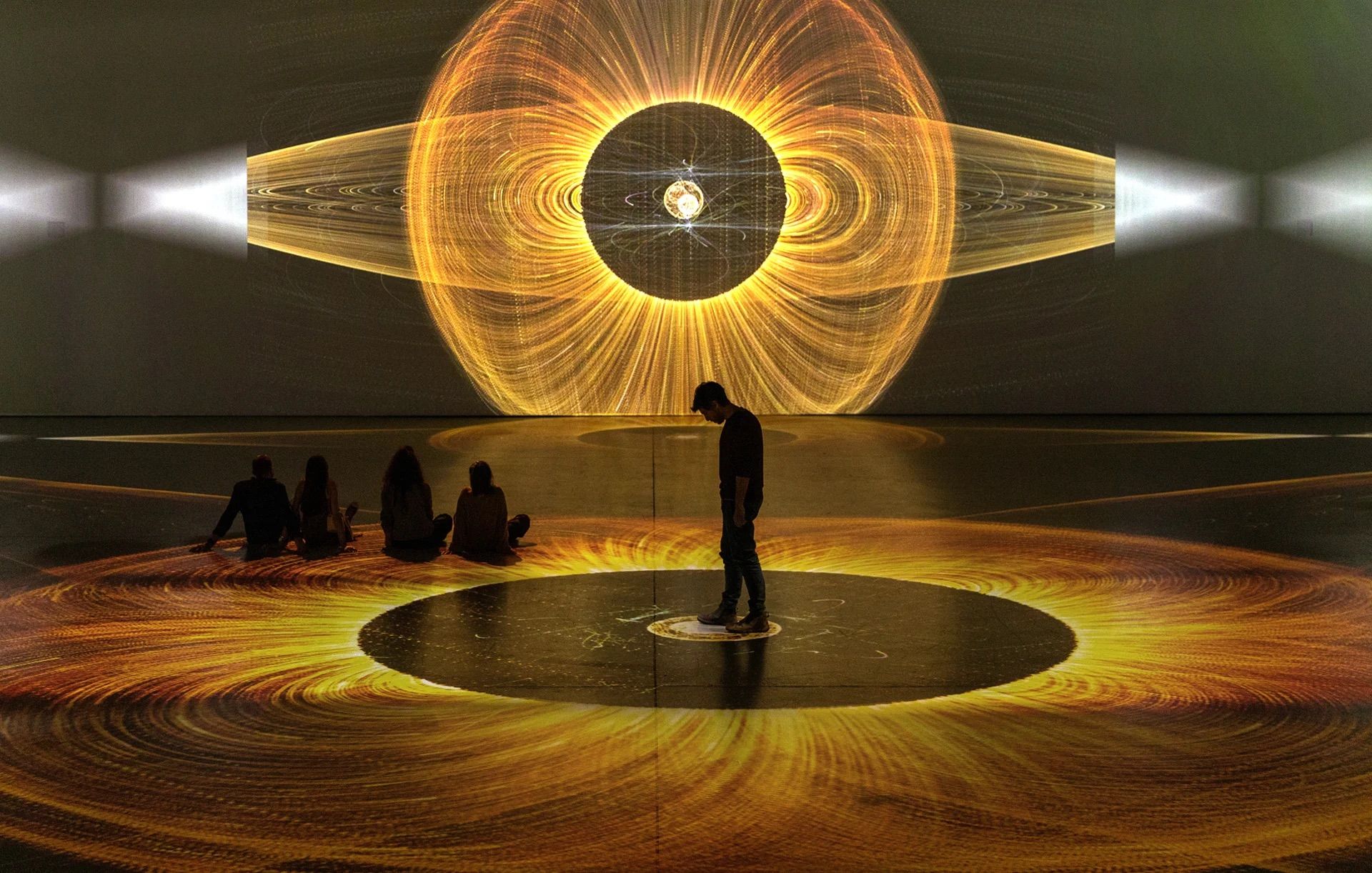
Signal Space, interactive installation Everything
Most of the works on show use sound, so it's important to us that the guide offers the text in a range of languages
The programming of Signal Space draws not only on the festival's proven concept but also on the many experiences and partnerships the festival team has built up over the past thirteen years. The result is technically precise collaborations with renowned multimedia artists such as Shohei Fujimoto and Davide Quayola. Their installations, like the works of the other exhibiting artists, are complex conceptual pieces where knowing the artist's intent matters.
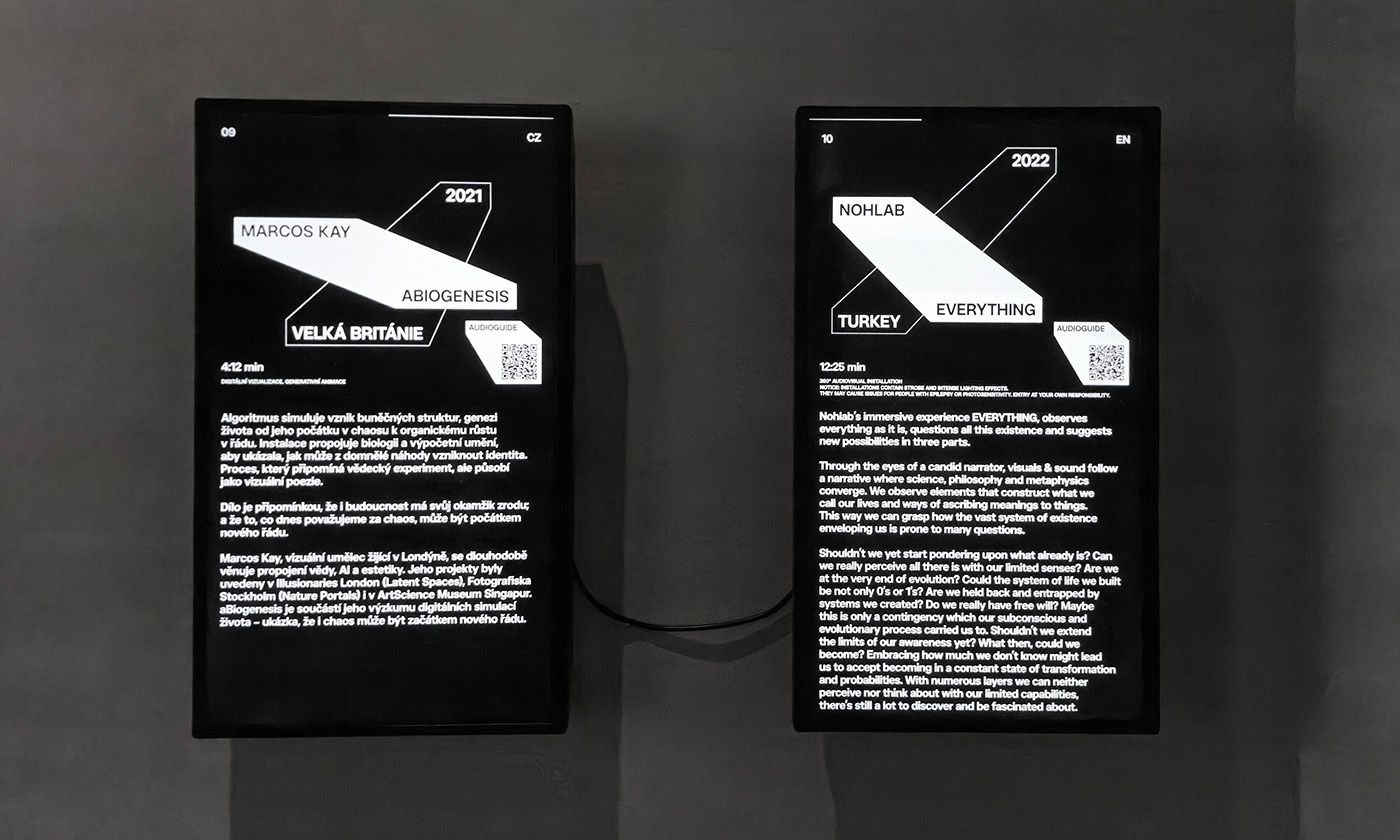
LED information panels at Signal Space
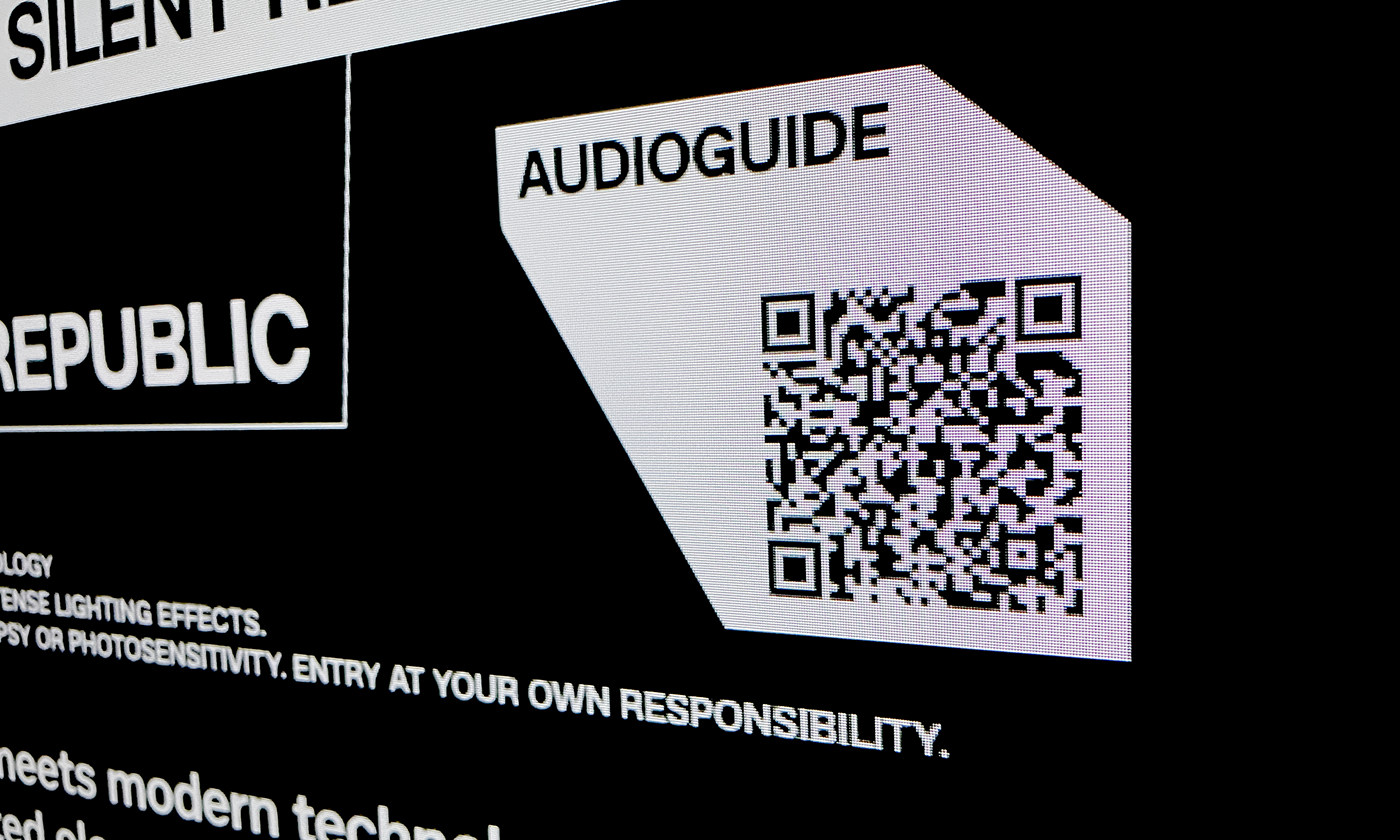
QR code for launching the Cabinet of Wonders guide. Once scanned, the audio narration plays in the visitor's own language.
The gallery's curators convey the context in which the works were made through exhibition texts in the gallery space and through the Cabinet of Wonders mobile guide. "Most of the works on show use sound, so it's important to us that the guide offers the text in a range of languages," explains gallery curator Mario Kunovský. "Many of the installations are immersive, so we don't expect visitors to pay much attention to supporting information inside the exhibition space itself. The app, though, lets them look things up afterwards — over a drink in a café after the visit, for instance." In Signal Space, the Cabinet of Wonders app thus also works as a digital version of the classic exhibition brochure: available only to visitors with smartphones, but in ten language versions and at significantly lower production costs than printed materials.
The close collaboration between the Cabinet of Wonders team and the Signal platform has made the digital guide a distinctive part of the curatorial concept for both the festival and the gallery. For the guide to work for visitors, the curatorial team had to prepare the recordings with the surrounding environment in mind, at the right length, and without complicated language. The multimedia works shown at Signal are a challenge to interpret: their immersive nature makes it easy for the visitor's experience to stop at a strong visual impression. In that sense, the digital app is an effective extension of the analogue exhibition texts — it can also serve as an additional source of information about the artist's intent, the technical realisation, and the broader art-historical context. The guide thus becomes both a navigation aid and a bridge between experience and understanding.